

Why are highly specialized jobs concentrated at big organizations?
If you want to work in a highly specialized field, you will almost certainly be working for a big organization. The caveat here is that you might be employed by a small firm, but that small firm will almost certainly be captive to the big organization(s) that pay for its services. Why are highly specialized […]

Big companies are incentivized to increase product specialization and complexity. Why?
Our culture values specialization. Having specialized skills often leads to outsized material benefits. It also often results in praise and social status. Consider the social recognition that would be given to a medical doctor who is a primary care family medicine doctor compared to that given to an orthopedic surgeon. They are both highly educated, […]

Transaction Costs in the American Economy from 1870 to 1970
What Are Transaction Costs? Transaction costs are often overlooked in economics and textbook finance. In real life economics, however, they play a very significant role. In corporate finance, you can see many of a company’s transaction costs located in the selling and administrative categories within the Selling, General and Administrative (SG&A) section of their Income […]
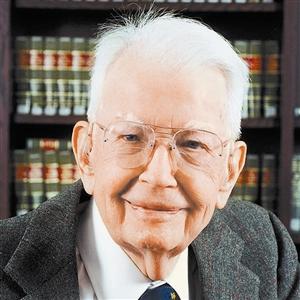
During the Great Depression, British economist Ronald Coase wrote a famous essay on the nature of the firm or company. As with America at the time, many free-market economies were also enduring a severe and difficult economic depression. The Soviet Union, however, was growing to become a significant industrial economy. This led to a debate […]
Frictionless Transactions Are an Economics Textbook Myth
It is assumed in mainstream economic theory and economic modeling that transactions between economic entities are frictionless. Everyone knows that this isn’t true, but it’s broadly assumed that these transaction costs, which are a wedge between buyer and seller, are not significant to really matter. That assumption is problematic. Transaction costs are not everything, but […]